
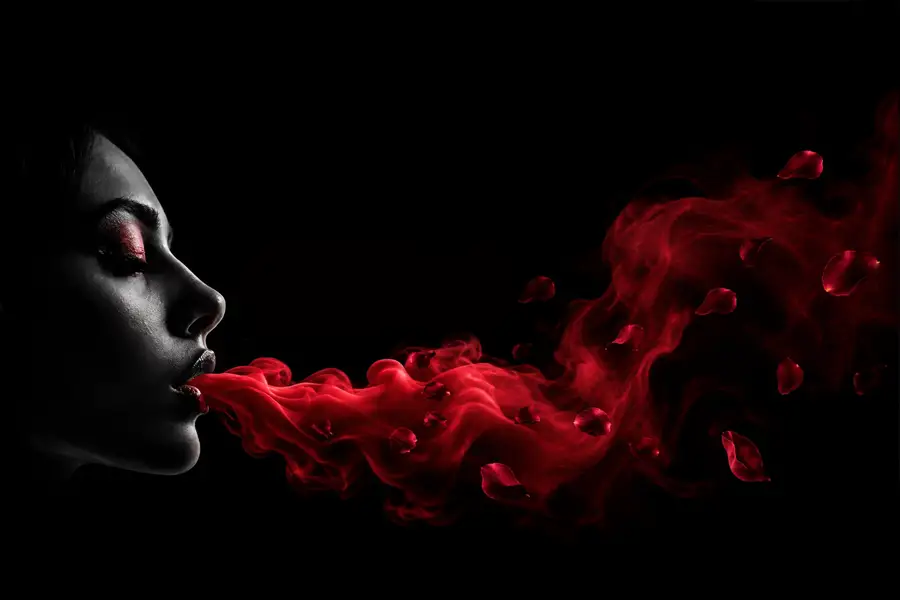
Red has always attracted witnesses.
Blood. Heat. Warning labels. Martyrs. Lipstick. Stop signs. Embarrassment. Appetite. The body doing something authority would prefer it did more quietly.
No wonder everyone tried to make rules for it.
Across religious, political, medical, and occult traditions, red has been assigned a suspicious amount of responsibility: courage, sin, passion, danger, protection, lust, sacrifice, strength, guilt, revolution.
The meanings change depending on who is speaking, who is afraid, and who benefits from the interpretation.
That is the interesting part.
This is a record of red magick, red candle correspondences, and red scent symbolism. It is not a promise that the universe takes color-coded instructions. Traditions disagree. Sources contradict each other. People have been very sure about red for centuries, which is usually a sign that the evidence deserves another look.
Red Magick in the Record
In modern color magick, red is often associated with movement: passion, force, courage, protection, vitality, and the nerve required to do the thing instead of arranging more notes about doing it.
That does not make red inherently powerful. It makes red culturally loaded.
People reach for red when they want a symbol that does not whisper. A red candle does not sit politely in the corner. Red announces itself, then waits to see who gets uncomfortable.
Common red correspondences include:
- passion
- courage
- action
- strength
- vitality
- protection
- attraction
- heat
- appetite
- conflict, if handled badly
That last one matters. Red is not a moral color. It does not know whether it is being used for courage or spectacle. People bring the intention. Red brings the volume.
Funny how often that gets confused for certainty.
The Usual Correspondences, With the Evidence Left Visible
Many red color magick guides connect red with fire, Mars, Tuesday, the root chakra, swords, candles, cauldrons, bloodstone, garnet, ruby, red jasper, and other objects with enough drama to survive a committee meeting.
Cocina’s position is simple: record the correspondences, but do not mistake repetition for proof.
A correspondence is a cultural note. A symbolic pattern. A trail of human association. Sometimes old, sometimes modern, sometimes borrowed, sometimes sold back to people with excellent lighting.
Useful? Often.
Universal? That explanation raises more questions.
Red Scent Notes
Red in scent does not need to smell sweet.
It can smell heated. Resinous. Spiced. Metallic at the edge. Dark fruit. Bitter peel. Rose under clove. Basil crushed between fingers. Black pepper waking the room before anyone has agreed to be awake.
Common red-associated materials include:
- dragon’s blood: resin, drama, protection, intensity
- cinnamon: heat, speed, appetite, danger if overused
- clove: bite, warmth, old medicine, warning
- basil: green force, clarity, movement
- pine: stamina, clean air, bracing honesty
- rosemary: memory, focus, the herb equivalent of taking notes
- hibiscus: tartness, color, desire without apology
- black pepper or chili: urgency, spark, momentum
- rose: beauty with thorns still attached
A red perfume oil should not merely smell pretty. It should feel like something has entered the record.
The Body, Unfortunately for the Authorities, Exists
Red keeps returning to the body.
Blood, heat, appetite, breath, flushed skin, the face betraying what the mouth was trained not to say. This is probably why red has made so many moral systems nervous. The body is difficult to govern quietly. It leaves evidence.
Cocina is not interested in pretending scent is a spell that fixes your life.
We are interested in the older, stranger fact: people keep building rules around pleasure, then acting surprised when pleasure survives them.
They said the body was dangerous.
That explanation raised questions.
How to Use Red Without Becoming Tedious About It
If you use red in ritual, use it with a clear sentence.
Not because the candle needs instructions. Because you do.
Try questions like:
- What am I trying to make visible?
- Is this courage, or just volume?
- Am I acting, reacting, or performing for an imaginary courtroom?
- Who taught me to call this desire dangerous?
- What evidence would change my mind?
That last question is useful in nearly every room where certainty has gotten comfortable.
Scent mood: Hot, spicy, resinous, bold, warm, physical, alive.
Red scent work should feel like heat rising from sun-warmed brick, cinnamon on your fingers, or the sharp green snap of basil crushed between your palms. These notes carry motion. They wake up the senses and make red feel less like an idea and more like something happening in the body.
A few useful scent correspondences:
- Dragon’s blood: Power, protection, intensity, ritual force
- Cinnamon: Heat, attraction, energy, speed
- Basil: Courage, vitality, action, prosperity with movement
- Pine: Strength, stamina, cleansing, resilience
- Rosemary: Protection, clarity, focus, disciplined action
- Hibiscus: Passion, sensuality, attraction, warmth
- Black pepper or chili: Fire, urgency, confidence, momentum
- Rose: Desire, affection, embodied love, beauty
For a wearable interpretation of red, look for perfume oils with spice, resin, warm woods, red florals, or sharp green herbal notes. A red-inspired scent does not need to smell sweet. It can smell alive, heated, a little dangerous, like stepping outside on a dry summer evening when the pavement is still holding the sun.
The Body, Unfortunately for the Authorities, Exist
Red keeps returning to the body.
Blood, heat, appetite, breath, flushed skin, the face betraying what the mouth was trained not to say. This is probably why red has made so many moral systems nervous. The body is difficult to govern quietly. It leaves evidence.
Cocina is not interested in pretending scent is a spell that fixes your life.
We are interested in the older, stranger fact: people keep building rules around pleasure, then acting surprised when pleasure survives them.
They said the body was dangerous.
That explanation raised questions.
How to Use Red Without Becoming Tedious About It
If you use red in ritual, use it with a clear sentence.
Not because the candle needs instructions. Because you do.
Try questions like:
- What am I trying to make visible?
- Is this courage, or just volume?
- Am I acting, reacting, or performing for an imaginary courtroom?
- Who taught me to call this desire dangerous?
- What evidence would change my mind?
That last question is useful in nearly every room where certainty has gotten comfortable.
RED and Cocina de Brujas
A red candle is often used for courage, passion, physical energy, protection, strength, and decisive action. In contemporary candle practice, people burn red candles to mark action rather than contemplation.
Tuesday, associated with Mars, is the traditional day for red candFor Cocina, red belongs to heat, record, appetite, accusation, and the body refusing to become a footnote.
It appears in blood orange, clove-warmed resin, bitter citrus peel, dark amber, red fruit shadow, and smoke-touched sweetness. Red is not decoration. It is evidence with a pulse.
In Alse Young – Blood Amber Spice, red moves through blood orange, warm spice, amber resin, and botanical shadow. It does not ask to be believed. It asks why belief was required before anyone looked at the record.
Which is usually where the trouble begins.
?I call in courage, vitality, and disciplined action. May my energy serve my highest good.?
FINAL NOTE
Red magick is not interesting because red is secretly simple.
It is interesting because red has been made to carry too much: sin and courage, warning and invitation, punishment and pleasure, blood and beauty, the body’s testimony and authority’s discomfort with it.
They kept assigning red a verdict.
The record suggests otherwise.